

On Monday (Sep 28), tensions between the US and Iran suddenly showed new signs of diplomatic détente. Multiple media outlets cited US officials saying President Donald Trump is willing to consider eASIng sanctions on Iran and releASIng frozen funds if "concrete progress" is achieved on the Iranian nuclear issue. Meanwhile, a key Saudi oil pipeline that bypasses the Strait of Hormuz resumed exports after maintenance. Oil prices came under pressure from two bearish factors: expectations of diplomatic eASIng and restored supply. Both WTI and Brent crude fell roughly 1% intraday. #IranCrisisWatch#
Al Jazeera reported US officials stated the US and Iran are holding “active and constructive” discussions through intermediaries, yet no deal will be reached unless the Iranian nuclear issue is resolved. Iran has indicated some flexibility on its nuclear program, but the two sides still disagree on the sequence of specific measures and when relevant commitments will take effect.
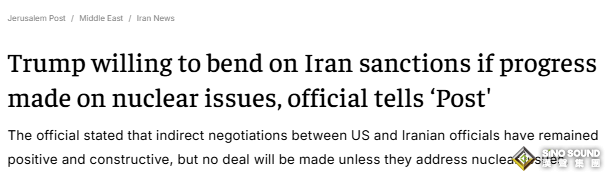
(Screenshot from The Jerusalem Post)
Axios previously reported that although Trump rejected Iran’s latest proposal last week, he still expects further contact between the two sides this week, with regional states including Qatar continuing to mediate.
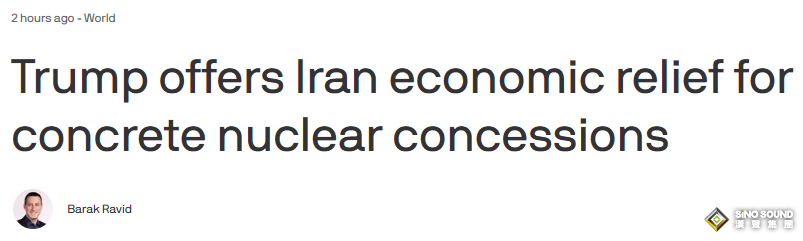
(Screenshot from Axios)
Trump Will Consider Sanctions Relief in Exchange for Nuclear Negotiation Progress

The latest signals show the US has not closed the diplomatic door after rejecting Iran’s previous proposal. Trump explicitly stated over the weekend that he expects further negotiations with Iran this week. The US insists any new agreement must include substantial Iranian concessions on nuclear issues, while Iran previously preferred to first discuss the Strait of Hormuz, US maritime blockades and sanctions.
Under Iran’s earlier proposal, Tehran wanted the US to lift sanctions on Iranian oil sales, end maritime blockades on Iranian ports and release frozen Iranian assets. Iran would then reopen the Strait of Hormuz within one week and resume nuclear talks. Trump publicly rejected this proposal on Saturday, yet US officials said discussions through intermediaries remain “active and constructive”, showing diplomatic channels between the two sides are still open.
One of the thorniest sticking points in negotiations remains “who acts first”. Iran wants to see US concessions on sanctions, funds and blockades first, while the US demands verifiable, substantial Iranian commitments on nuclear issues upfront. In other words, the two sides must not only negotiate “what to exchange”, but also decide the sequence for implementing each concession, which remains a major obstacle before a formal agreement can be reached.
Fresh Report of "Halting Uranium Enrichment"
As markets digested news of possible US sanctions relief, another sensitive signal emerged on Monday. Saudi media Al Hadath cited sources saying Iran has agreed to halt uranium enrichment in exchange for eased US sanctions.
If this report is formally confirmed by both sides, it would mark major Iranian concessions on the core issue of nuclear negotiations. So far, however, neither the US nor Iran has officially announced an agreement to suspend uranium enrichment, so the report awaits further verification.
The nuclear issue has long been the center of disagreement between the two sides. The US previously proposed supplying uranium for Iran’s civilian nuclear projects externally to reduce the need for domestic enrichment, but Iran rejected this arrangement. US Ambassador to the UN Mike Waltz also said recently Washington had offered uranium for Iran’s civilian programs, which Tehran turned down.
Therefore, if Iran is indeed willing to suspend or stop domestic uranium enrichment, it will markedly reshape the prior negotiation framework and potentially create new room for sanctions relief, release of frozen funds and reopening of the Strait of Hormuz.
Key Saudi Oil Pipeline Restarts, Supply Fears Cool
Meanwhile, the crude oil market received another important bearish development. Saudi Arabia’s East-West Pipeline resumed operations after maintenance, reportedly carrying around 3.5 million barrels per day, and export loading at the Red Sea port of Yanbu has restarted.
The pipeline connects major oil-producing regions in eastern Saudi Arabia to the Red Sea coast, enabling part of the country’s crude exports to bypass the Strait of Hormuz, giving it strategic importance amid high shipping risks in the Gulf. The pipeline has a nominal maximum capacity of about 7 million barrels per day, though actual historical throughput is usually below this ceiling.
Earlier, escalating Middle East tensions and disrupted shipping in the Strait of Hormuz stoked global fears of crude supply disruptions from the Gulf, pushing up the risk premium in oil prices. The resumption of Saudi alternative export routes has somewhat eased market worries about sudden supply outages.
The Strait of Hormuz remains critically important. Before the conflict broke out, roughly one-fifth of global oil supply passed through the strait, and commercial vessel traffic there is still far below pre-war levels.
Diplomatic and Supply News Combine to Push Oil Lower
With signs of détente in US-Iran talks, reports of potential Iranian concessions on uranium enrichment, and the restart of Saudi oil pipelines, part of the prior geopolitical risk premium priced into crude quickly receded.
After the news broke, WTI crude futures dipped to around $91.30 per barrel; Brent crude also fell roughly 1% to near $96.32 per barrel. Oil prices had previously risen sharply after Trump rejected Iran’s seven-point proposal, with markets fearing near-term deterioration in the Strait of Hormuz situation.
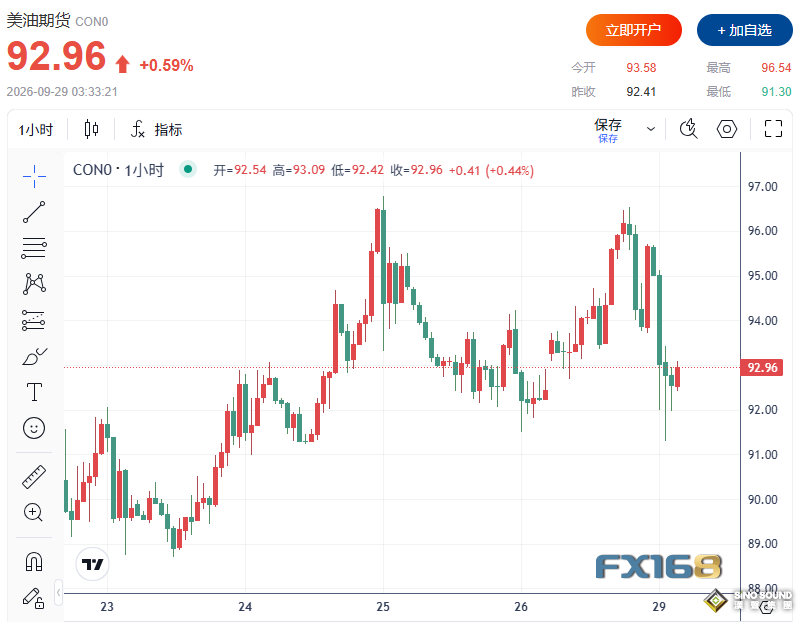
(Source: FX168)
At present, the crude oil market is trading on two main narratives: first, whether US-Iran negotiations can evolve from “positive contacts” into an enforceable agreement; second, whether Saudi Arabia and other oil producers can keep expanding export capacity that bypasses the Strait of Hormuz. If nuclear talks continue to deliver positive signals and alternative supply routes remain stable, the Middle East risk premium embedded in oil prices may compress further.
Still, a long road remains before a formal deal is struck. While Trump expects further talks this week, Axios notes major disagreements peRSIst between Washington and Tehran on key issues. Iran has also publicly stated it seeks a diplomatic solution to the crisis, yet the two sides have not reached consensus on the final text.
Markets will therefore closely monitor three key points next: whether Iran formally confirms concessions on uranium enrichment, whether the US clarifies conditions for sanctions relief and release of frozen funds, and when commercial shipping in the Strait of Hormuz can return to more normal levels. Clear progress on any of these points could rapidly reprice risk in the crude oil market.