

One hot topic in the recent investment market is the impact of the Fed’s September rate meeting on gold. As a core factor in global gold pricing, the Federal Reserve’s monetary policy resolution directly moves the US dollar and US Treasury yields, thereby triggering sharp swings in gold prices. Whether trading spot gold or allocating physical gold, investors need to understand the logic behind the rate decision, make trading plans in advance, and avoid risks brought by violent market fluctuations.
I. Why Does the Fed’s Rate Decision Deeply Affect the Gold Market?
Gold is a non-interest-bearing asset and generates no interest income. Fed policy transmits to gold prices through two main lines: real interest rates and the US Dollar Index. When the Fed sends hawkish signals, real US Treasury yields rise and the US dollar strengthens. The opportunity cost of holding gold increases, capital flows to interest-bearing dollar assets, and gold prices tend to fall. Conversely, if the policy leans dovish and interest rate expectations decline, gold’s allocation value rises and pushes gold prices higher.
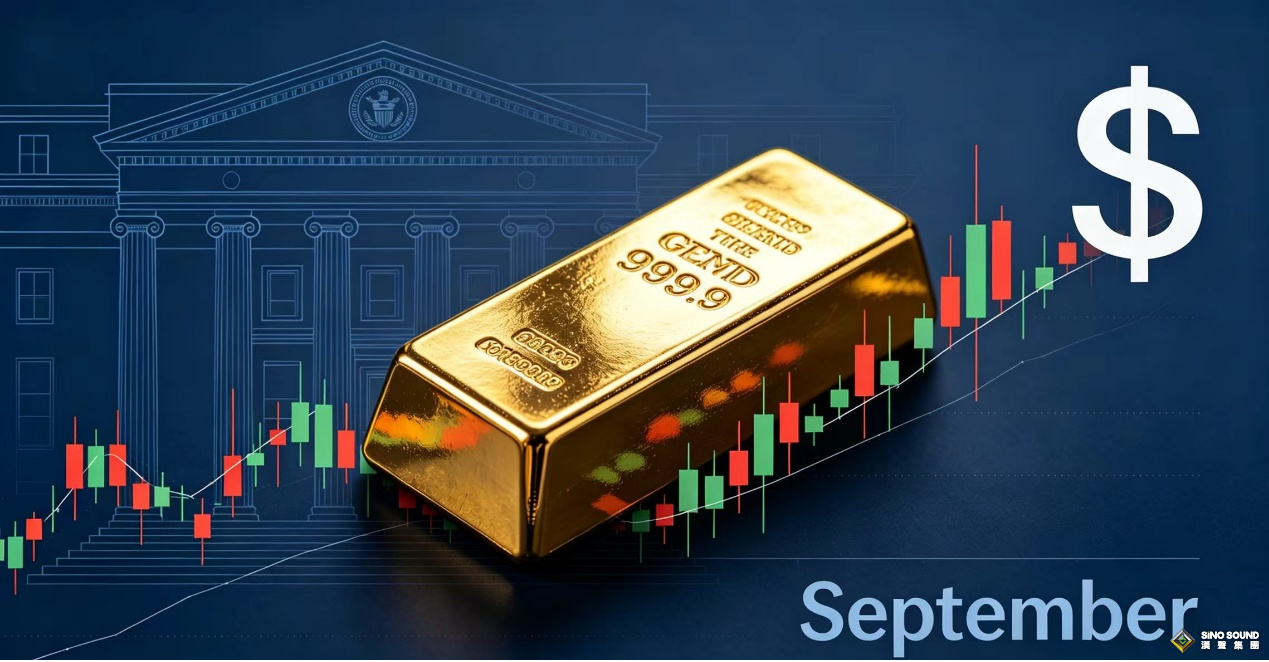
Markets trade not only the outcome of the rate meeting, but also the meeting statement, dot plot and remarks made by the Chair during the press conference. Expectation gaps often trigger sharp rallies or plunges in gold prices, which is a key point that cannot be ignored regarding how the Fed meeting affects gold.
II. How Investors Prepare Strategies for the Rate Meeting
Faced with uncertainty around the rate meeting, investors should not take heavy positions blindly to speculate. First, sort out mainstream market expectations in advance and track the CME FedWatch Tool to understand market pricing for the probability of a rate hike or rate hold. Second, control position sizes and avoid going all-in on a single outcome to prevent heavy losses from reverse market moves after the policy release.
For physical gold investors, there is no need to chase short-term sharp volatility. They can treat the rate meeting as an observation window and wait for the market to establish a clear trend before making allocations. Meanwhile, investors need to watch out for gap risks before and after the meeting, manage risks well, and keep long-term allocation strategies undisturbed by short-term price moves.
III. Possible Outcomes of the September Meeting and Gold Price Scenarios
At present, market views on this September meeting are widely divided, and there is no consensus on whether the Fed will raise rates. Some institutions believe that if inflation pressure peRSIsts, the Fed may hike rates, which will weigh on gold prices. Other institutions judge that employment data shows signs of weakening, so the Fed will most likely keep rates unchanged. If dovish signals are released at the press conference, gold will gain upward momentum.
It should be noted that even if the resolution matches market expectations, a “buy the rumor, sell the fact” market move may occur. Geopolitical conflicts pushing up oil prices will indirectly affect inflation judgments and further amplify disturbances to the gold market from the Fed meeting.
Overall, the impact of the Fed’s September rate meeting on gold cannot be underestimated. Interest rates, the US dollar and real interest rates form the core transmission logic. Investors should view meeting results rationally, manage positions well, and avoid blindly betting on one-sided market moves. Whether for spot trading or physical gold allocation, investors need to respond rationally to market volatility in line with their own risk tolerance.

[Copyright Notice]This article is original content and is protected by applicable copyright laws. Any reproduction, distribution, citation, or use of this content must clearly acknowledge the original source:
Gold2U
www.gold2u.com
We reserve all rights and may take legal action against any individual or entity that fails to comply with this notice or otherwise infringes our intellectual property rights.